Category Archives: HR Information Archive

Suicide prevention at home safety tips

September is National Suicide Prevention Awareness month. Some points to consider:

  • Many suicide attempts take place during a short-term crisis, so it is important to consider a person’s access to lethal means during these periods of increased risk.
  • Access to lethal means (such as a firearms and medication) is a risk factor for suicide.
  • Reducing access to lethal means saves lives.

There are steps you can take to make your home safer from self-harm and suicide. While many of these tips will seem obvious (and others perhaps not reasonably achieved), safety measures are often and easily overlooked—like a smoke detector that doesn’t work, the flashlight with dead batteries, or an expired fire extinguisher. Periodic safety checks are worth the thought and effort—even if some add a bit of inconvenience.

Weapons and dangerous objects: Research shows that having a gun or weapon in the home increases the risk of dying by suicide.

  • Guns should be stored unloaded in a locked safe. Bullets should also be locked, but in a separate place.
  • Gun safe keys or a combination to the lock should be kept only by the adults in the house.
  • Consider purchasing trigger locks for guns.
  • When children and teens go to friends or relatives’ homes, ask about gun ownership and storage.
  • Limit children’s access to knives, razor blades, and other sharp objects.

Medications: Parents and caregivers should be in charge of the medications that are kept in the home.

  • Secure all medications, both prescribed and non-prescribed (over the counter).
  • An adult should hand out and control all prescribed and over the counter medications to children.
  • Keep track of all bottles of medication as well as the number of pills in each container, including those prescribed as over the counter medications (such as pain relief, allergy pills, vitamins, and supplements, etc.) for the household (prescribed pet medications included) in the home.
  • Dispose of all expired and no longer used prescribed medications by bringing them to your local pharmacy or fire station.
  • Ask the parents of your child’s friends how their medications are stored in their home.

Drugs and alcohol: If substances that can be abused, like alcohol, are kept in the home, they should be monitored and locked.

  • Keep track of bottles of alcohol and lock them away. It is not enough to put these items “out of reach.”
  • If marijuana is kept in the home, lock all forms of it in a lock box that only adults in the house have the lock or combination to.
  • Talk with the parents of your child’s friends about how they store alcohol or marijuana in the home.

Other toxins/hazardous materials: Other items can be used for self-harm and suicide.

  • Keep your vehicle keys with you at all times or consider locking them in a lock box when not in use.
  • Limit access to toxic household cleaners, pesticides, and industrial chemicals away.
  • Limit access to ropes, electrical wire, and long cords within the home.
  • Secure and lock high level windows and access to rooftops.

Although, it is not possible to make a home completely safe, following these suggestions can help reduce the risks and chance for a suicide attempt. If anyone in your home is talking about suicide, engaging in acts of self-harm, or researching suicide, they should be urgently evaluated by a qualified mental health provider.

Read More

Suicide Safe Your Home – Suicide Prevention Alliance

Reduce Access to Means of Suicide – Suicide Prevention Resource Center

12 Things Parents Can Do to Help Prevent Suicide – Healthy Children.Org

Safe Home Environment – Veterans Affairs

— Maureen De Armond, HR

Invite Employee and Family Resources to your next department meeting

If you have never explored Drake’s Employee Assistance Program through Employee & Family Resources, now is a great time to do so.  They offer a wonderful range of resources—including confidential counseling, free webinars, podcasts, a blog, self-assessment tools, and a free mobile app.

Their services also include financial and legal consultation, child/elder care resources, and life coaching. You may reach EFR by phone (800-327-4692) or visit their website.

Special Note: Representatives from EFR are available to attend a department or staff meeting (in-person or virtually) to highlight their resources and help answer any questions.  They will present to groups of any size.  If you would like EFR to speak during one of your meetings, please send an email to Dave Bent, EFR Account Manager, at DBent@EFR.org or phone 515-471-2381.

— Linda Feiden, HR

September is National Suicide Prevention Awareness month

Suicide is a concerning public health issue that leaves a long-lasting impact on families and communities. Between 1999 and 2019, the suicide death rate in the U.S. increased by 33%.

According to recent data, there were nearly 46,000 deaths by suicide in 2020 (approx. 126 per day), making it the 12th-leading cause of death in the United States. In Iowa, it is the 9th leading cause of death. Suicide rates vary across a variety of demographics. For example, in 2020, men died by suicide 3.88x more than women.  White males accounted for 69.68% of suicide deaths in 2020. Suicide rates are higher among LGBTQ youth and adults compared with straight/cis adults. Yet, 93% of adults surveyed in the U.S. think suicide can be prevented.

Since 2008, September has been recognized as National Suicide Prevention Awareness Month. This is a time to acknowledge those impacted by suicide, raise awareness, and connect individuals with suicidal ideation to resources and treatment services. This is also a sensible time to openly discuss mental health and help reduce lingering stigmas.

One of the more recent resources at our disposal is a new crisis hotline number. On July 16, 2022, Iowa rolled out a three-digit number—988—for people to call or text to reach a trained counselor who can help them deal with suicidal thoughts and mental health crises. The new 988 number does not summon law enforcement. For more information, visit: https://988lifeline.org/.

A wonderful training opportunity at Drake will take place later this month. Please consider attending QPR training on September 21 (1-2 pm), offered through Drake HR’s BUILD program. QPR stands for Question, Persuade, and Refer—the 3 simple steps anyone can learn to help save a life from suicide. This training is being presented by Kayla Bell-Consolver, Director, Student Counseling Center and Dr. Greg Lengel, Associate Professor of Psychology. Class size is limited to learn more access the fall BUILD schedule here. You can RSVP with Linda Feiden (linda.feiden@drake.edu).

— Maureen De Armond, Human Resources
Wellness health insurance premium discount incentive reminder

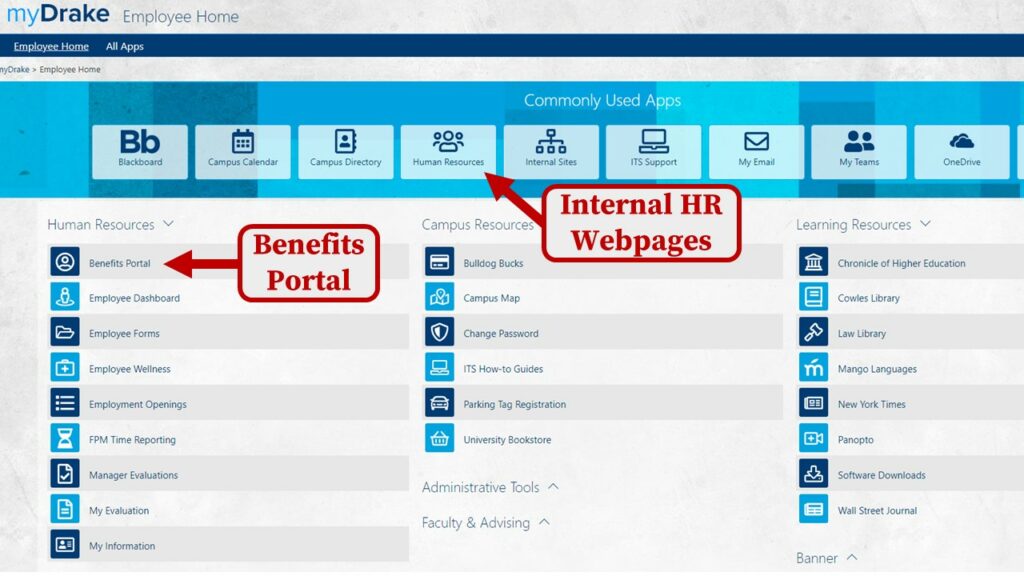
Have you completed your annual physical since last December? If you are on Drake’s health plan, don’t forget to take a copy of the Premium Discount – Annual Physical Form to your appointment. This form can be found on myDrake in the Human Resources Employee Wellness section.

Those on Drake’s health plan who complete a physical with their PCP between Dec. 1, 2021 and Nov. 30, 2022 and submit a Premium Discount – Annual Physical Form by Dec. 2, 2022, will receive the wellness health insurance premium discount in 2023, which is a savings of approximately $30 per month.   

Besides receiving a premium discount, an annual physical is a great way to receive important health information through age and gender specific examinations, schedule recommended preventative screenings, and create a doctor-patient relationship.

If you have not scheduled your annual physical yet with your PCP, you are encouraged to do so as soon as possible.

Please contact linda.feiden@drake.edu with questions.

— Linda Feiden, Human Resources

BUILD learning and development schedule

Bulldogs United In Learning Drake (BUILD) is a learning and development series available to faculty and staff who wish to enhance their professional skills, improve their wellbeing, and expand their boundaries.

We encourage all employees to check out the BUILD Fall 2022 Schedule that is now available on myDrake in the learning & development section under the Human Resources app.  To register for any class, send an email to linda.feiden@drake.edu.

September offerings:

Emotional Intelligence (EQ) 101. Sept. 13 from 2-3 p.m. in the Olmsted Center, Conference Rooms 310-311

Best Practices in TeamDynamix. Sept. 14 from 11 a.m. to 12 p.m. in the Olmsted Center, Conference Rooms 310-311

Impeccable Dependability: Strategies to get and stay organized. Sept. 20 from 10-11 a.m. in the Olmsted Center, Conference Rooms 310-311

QPR (Question, Persuade, and Refer) Training for Suicide Prevention. Sept. 21 from 1–2 p.m. in the Olmsted Center, Conference Rooms 310-311

Tour of Drake Campus (FULL). Register to be placed on waiting list for the next tour

Getting a Head Start: A TIAA Workshop to help create a retirement strategy. Sept. 28 from 10-11 a.m. in the Olmsted Center, Conference Rooms 310-311

Excel Pivot Tables & Filters. Sept. 29 from 2-3 p.m. via Microsoft Teams

— Linda Feiden, Human Resources

Digital Detox, establish a new relationship with tech

Do you feel like your use of technology (social media, news outlets, email) is out of your control?  Do you feel distracted or unable to focus due to constant digital interruptions?  Would you like to start this academic year off by establishing a new relationship with technology?  If so, join us for a Digital Detox inspired by Cal Newport’s book Digital Minimalism: Choosing Life in a Noisy World. Portfolio/Penguin, 2019.

During this six-week session, participants will consider their relationship with technology, set their own rules of technology engagement, and support one another as we detox from the technology that runs our life.  Sessions will be held on Mondays from 3:30–4 p.m., beginning Sept. 12.  Space is limited to the first 25 that sign up, so commit to a better relationship with tech today.

To register for this program, send an email to Erin Lee Schneider at erin.schneider@drake.edu.

— Linda Feiden, Human Resources

Wellness health insurance premium discount incentive reminder

Have you completed your annual physical since last December? If you are on Drake’s health plan, don’t forget to take a copy of the Premium Discount – Annual Physical Form to your appointment. This form can be found on myDrake in the Human Resources Employee Wellness section. 

Those on Drake’s health plan who complete a physical with their PCP between Dec. 1, 2021 and Nov. 30, 2022 and submit a Premium Discount – Annual Physical Form by Dec. 2, 2022, will receive the wellness health insurance premium discount in 2023, which is a savings of approximately $30 per month.    

Besides receiving a premium discount, an annual physical is a great way to receive important health information through age and gender specific examinations, schedule recommended preventative screenings, and create a doctor-patient relationship.

If you have not scheduled your annual physical yet with your PCP, you are encouraged to do so as soon as possible.

Please contact linda.feiden@drake.edu with questions. 

— Linda Feiden, Human Resources

Time to play HealthyU BINGO

Join us in July for HealthyU BINGO. The goal is to fill up a blank BINGO card (or two), during the month, with healthy activities completed from a provided list.Then, in August, we will get together to play games of HealthyU BINGO for prizes.  

You are welcome to fill out the HealthyU BINGO card without playing the BINGO games, but who doesn’t like playing BINGO! 

To get started, send an email to linda.feiden@drake.edu. Deadline to register is Thursday, June 30.  All participants will receive an email with an attached packet that includes directions, a list of HealthyU BINGO activities, and a blank BINGO card.  You are welcome to make multiple copies of this card.   

Please feel free to reach out with questions. This is a great event for the whole family!   

— Linda Feiden, Human Resources

Share your BUILD ideas

This past academic year, 488 faculty and staff attended Bulldogs United in Learning Drake (BUILD) classes.  These classes assist individuals with learning new skills, improving their well-being, and strengthening professional knowledge.

We are now in the process of planning for our 2022–2023 academic year.  If there are topics you would like to see addressed in BUILD sessions this fall, or next spring, please let us know.  If you have general suggestions for growing or improving the BUILD experience, we’d like to hear those too. And if you would like to present a BUILD session, we would love to hear from you!

Please send an email to linda.feiden@drake.edu with your ideas and suggestions.

Linda Feiden, Human Resources

Wrapping up Mental Health Awareness Month: Let’s talk

As we reflect on the COVID-19 pandemic, there are some surprising silver linings. Employers are finding ways to be more flexible with where, when, and how work is performed. There are suddenly more obvious and easy ways to accommodate employees with disabilities. In many ways, we are finding it easier to empathize and give others space to be human. This is all great—drawing positives from this difficult chapter is important and meaningful.

One of the additional pandemic silver linings is that more and more people are talking about mental health—stress, anxiety, depression, grief. And this is great! The more open people are the less stigma attaches. However, mental health conditions, resources, and conversations can still feel, well, complicated.

It is important to recognize that there is often no one single cause for a mental health condition. Instead, there are many possible risk factors that can influence how likely a person is to experience a mental health condition or how serious the symptoms may be.

Some risk factors for mental health conditions include trauma, which can be a one-time event or ongoing; your environment and how it impacts your health and quality of life (also known as social determinants of health, like financial stability and access to health care); genetics; brain chemistry; and your personal habits and lifestyle, such as a lack of sleep.

Naturally, understanding the risk factors for a mental health condition can be more difficult when it’s your own mental health. Take time to ask yourself about your thoughts, feelings, and behaviors to see if this is part of a pattern that may be caused by a mental health condition. Here are some questions to get you started:

  • Have things that used to feel easy started feeling difficult?
  • Does the idea of doing daily tasks like making your bed now feel really, really hard?
  • Have you lost interest in activities and hobbies you used to enjoy?
  • Do you feel irritated, possibly to the point of lashing out at people you care about?

Our society focuses much more on physical health than mental health, but both are equally important. If you are concerned about your mental health, there are several options available. We wrote about mental health care options through Broadlawns and our EAP on May 3. We offered some self-care tips on May 10.

Another free resource to check out is a page hosted by Mental Health America featuring a range of screening tools you can take (with two offered in Spanish). I completed one of the screening tools and it only took a quick minute. The results do not constitute a diagnosis but are helpful. They include some possible “next steps” and a variety of related “Info & Resources.”

Take time to assess your mental health and to take care of you!

— Maureen De Armond, Human Resources